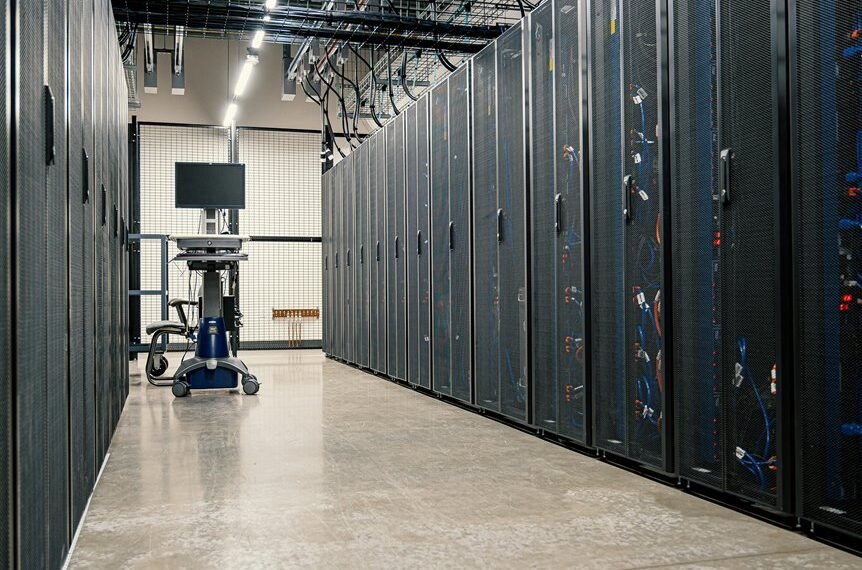
Advanced Cloud Network Optimization encompasses a range of strategies designed to enhance cloud service efficiency. By implementing optimized routing protocols and leveraging edge computing, organizations can minimize latency and streamline data flow. These methodologies require continuous monitoring to ensure performance remains aligned with user demands. As the digital landscape evolves, understanding the intricacies of these techniques will be essential for maintaining a competitive edge. What specific practices can drive further improvements in this complex environment?
Understanding the Fundamentals of Cloud Network Optimization
While organizations increasingly rely on cloud services for their operations, understanding the fundamentals of cloud network optimization becomes essential for ensuring efficiency and performance.
Effective cloud architecture must incorporate robust bandwidth management strategies to balance load and minimize congestion. This ensures optimal data throughput and resource allocation, ultimately enhancing user experience and operational agility within a rapidly evolving digital landscape.
Key Techniques for Reducing Latency and Improving Data Flow
Reducing latency and improving data flow are critical objectives for organizations leveraging cloud networks.
Effective techniques include optimizing routing protocols, employing content delivery networks (CDNs), and implementing edge computing solutions. These strategies facilitate latency reduction by minimizing the distance data must travel.
Additionally, enhancing network architecture promotes efficient data flow, enabling organizations to maximize performance and ensure seamless connectivity across distributed cloud environments.
Tools and Technologies for Effective Cloud Network Management
Effective management of cloud networks requires a suite of specialized tools and technologies designed to optimize performance and streamline operations.
Key components include advanced cloud management platforms that facilitate resource allocation and monitoring, along with network automation solutions that enhance efficiency and reduce human error.
These technologies empower organizations to maintain robust, scalable networks while ensuring seamless connectivity and operational agility.
Best Practices for Continuous Monitoring and Performance Improvement
To ensure optimal cloud network performance, continuous monitoring and performance improvement practices are essential components of an effective strategy.
Implementing robust anomaly detection systems enables timely identification of deviations in performance metrics, facilitating proactive adjustments.
Regular analysis of these metrics informs strategic decisions, ensuring resource allocation aligns with user demands.
Conclusion
In conclusion, advanced cloud network optimization is essential for organizations seeking to enhance their operational efficiency and responsiveness in an increasingly digital landscape. By employing innovative techniques and leveraging appropriate tools, businesses can minimize latency and optimize data flow. Continuous monitoring practices ensure that performance remains aligned with user demands. Ultimately, as organizations navigate the complexities of cloud environments, one must ask: how effectively are they leveraging these strategies to stay ahead of the competition?


 By
By